Back Matter Break Down: Work: An Occupational ABC

Welcome to another Back Matter Break Down, where I examine back matter in picture books! Today I want to look at one of my favorite ABC books filled with amazing artwork, but also a bit of a surprise for readers in the back matter. Let’s take a look!

Book: WORK: AN OCCUPATIONAL ABC

Author/Illustrator: Kellen Hatanaka

Publisher / Year: Groundwood Books, 2014

Genre: Non-Fiction

Topics: Alphabet, Occupations, Concept Book

Blurb: An alphabetical tour through the coolest jobs you can imagine―and some you might never have heard of! With a sophisticated, minimalist design and visual jokes to interpret on every page, Work: An Occupational ABC introduces children both to the alphabet and to a range of alternative careers.

The ideal reader for this book is the child (or adult) who is interested in exploring all manner of professions through original and inspired illustrations. Must be open to adventure. Knowledge of the alphabet is desirable but not required, since successful applicants will receive training from A to Z.

Book Word Count: ~33

Back Matter Word Count: ~400

Back Matter Sections:

1. “Want Ads” – a 2-page spread glossary of the terms featured in the book

After the fun and surprising occupations listed in this ABC book, author-illustrator Kellen Hatanaka keeps the fun going in the back matter. Each term is listed as if it were a classifieds ad for the job described. The descriptions are only a sentence or two, but are filled with puns and jokes that lend even more humor to the section for older readers. At the same time, younger readers will still get more information about the terms that they’ve encountered in the book. Here are some of my favorite examples from the glossary:

“RINGMASTER: From organizing clowns to announcing acrobats, this job is a real balancing act.”

“UMPIRE: If you’re the type of person who likes to have the final say, being an umpire might fit like a glove.”

See! So fun!

Another cool detail about the glossary is that the color of the listed word matches the color used for the letter in the book. It’s a subtle detail that reinforces the connection between the back matter and the main text.

Takeaways: With humor and a cohesive design aesthetic, readers won’t skip the glossary in Work: An Occupational ABC. Clearly not an afterthought, author-illustrator Kellen Hatanaka turns what could have been simple list of definitions into bonus content that readers of all ages can enjoy.

Tips: If you’re considering adding a glossary to your back matter, think about adding some humor! Whether it’s puns or jokes, present your information in fun way that makes readers want to dig in. And think about how design elements can be used in the back matter that can act as call-backs to your main text.

Thank you for reading! Please leave a comment to add to the conversation or suggest a book for a future blog post!

Don’t miss future posts! Subscribe to my blog!

Back Matter Break Down: Interview with Brentom Jackson

Welcome to the Back Matter Break Down! I am so glad to bring you an interview today with Brentom Jackson, a debut author whose picture book brings together Easter, creativity, fashion, Black history, and faith traditions all in one delightful package. Enjoy this interview, but make sure to stay all the way to then for details on a how to win a free, signed copy of Elijah’s Easter Suit! Let’s go!

Book: Elijah’s Easter Suit

Author: Brentom Jackson

Illustrator: Emmanuel Boateng

Publisher / Year: Doubleday Books for Young Readers, 2024

Genre: Fiction

Topics: Easter, Fashion, Black History

Blurb: “Elijah is on a mission to find the perfect church outfit for Easter. But when failed attempts at his town’s stores leave Elijah disappointed, an important conversation with Deacon Brown and Mother Green about tradition, culture, and clothing gives him the courage to create his own Easter masterpiece: a patchwork of perfection that tells his story with style.”

What is your manuscript word count? What is your back matter word count? 

My manuscript word count is 539. The backmatter word count is 504.

At what phase of the drafting/revising/publishing process did you decide your book needed back matter?  

Back matter came as a suggestion from my editor. During the pagination process we realized some of the historical information that I wanted to convey in the story interrupted the rhythm of the text. Using more creative ways to express these thoughts in the manuscript and using back matter to provide more in depth information was our solution. 

What kind of research did you do for the back matter? 

Autobiographies served as primary sources and scholarly articles were secondary sources. I also spent a lot of time reading fashion magazines and looking at old advertisements/catalogs, etc. 

What did the first draft of the back matter look like? Can you show us snippets? 

Ha! My first draft of back matter was simply a list of research and sources I’d gathered during the manuscript writing process. I sent that to my editor and she was like, “Um…this is great. Now let’s turn it into back matter.”

Tell us about the back matter revision process. Why did changes occur? What changes and revisions came about after working with the editor/agent?  

I worked to turn that list into actual back matter with the help of my editor.  My biggest challenge was defining such serious topics (enslavement, African Diaspora, segregation, and Jim Crow laws) for young readers. After that the copy editor took over and provided much needed help with the grammar, punctuation and citation. 

What was the process for selecting and securing the rights to publish the photos that appear in your back matter? 

My back matter centered upon one particular photo: “Negro boys on Easter morning. Southside, Chicago, Illinois 1941” by Russell Lee. This photo was one of my biggest inspirations for writing the book. I would have been happy if only that photo was included in the back matter. However, my publisher was able to secure other images from that photo essay.  

Is your back matter aimed for kid readers or adults? What do you hope readers will take away after reading your back matter content? 

There is a biographical portion of the back matter that I aimed at parents. I wanted them to feel that sense of nostalgia I enjoyed while writing this book. The photos in the back matter are aimed at grandparents and history enthusiasts. I wanted them to see those images and be reminded about this time in our history. The more informational content is aimed at kid readers. I wanted to convey the same lesson that community members in the story impart to Elijah about the tradition of Sunday’s Best, with a little more historical context. 

Reflecting on this process and what you learned, what tips can you offer picture book writers for writing back matter?

Save all the things you come across while researching during the manuscript writing process. During the revision process: constantly repeat the phrase “There is always back matter!” This will help you kill your darlings more effectively. 

Are there resources or comp titles you can share that would be helpful for writer’s wanting to learn more about back matter?  

The 12×12 Community page Backmatter Matters was a great resource. Always turn to your editor, critique partners and mentors who have experience with back matter. 


Thank you, Brentom! It was fascinating to read how your back matter grew from a list of sources into the compelling material that it became!

Please support Brentom! Follow him – @brentomjackson on all social media

Purchase copies of Elijah’s Easter Suit! https://www.penguinrandomhouse.com/books/722293/elijahs-easter-suit-by-brentom-jackson-illustrated-by-emmanuel-boateng/

Now for the giveaway! Brentom has generously offered to give one lucky person a signed copy of Elijah’s Easter Suit! To enter: Leave one comment on this blog post by February 6, 2024 at 11:59pm Pacific Time. A winner will be chosen at random and notified on February 7, 2024. One entry per person!

Update: The giveaway is now closed. Congrats to Lisa–you are the winner!

Thank you for reading!

Don’t miss future posts! Subscribe to my blog!
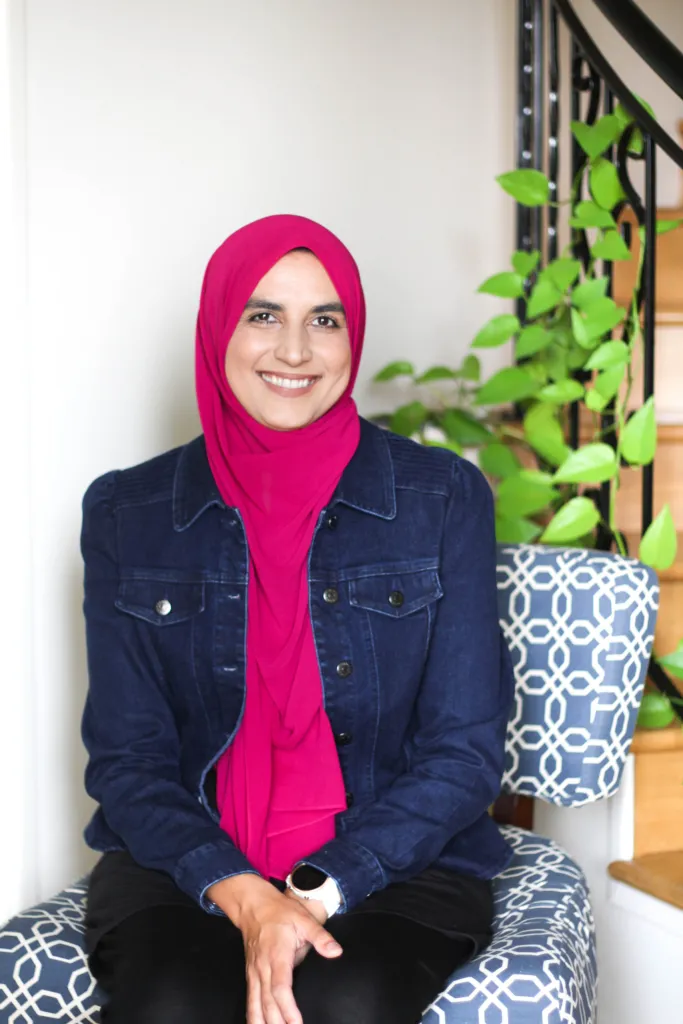
Back Matter Break Down: Interview with Jessica Whipple

Welcome to the Back Matter Break Down! I’m excited to bring you a really insightful interview with author Jessica Whipple, author of Enough Is… and I Think I Think A Lot. You’re going to love getting a peek at the behind-the-scenes process of writing the back matter for her latest book. Jessica is also giving away a 30-minute Brain Picking Session via Zoom, so make sure you read to the end of the post to find details on how to enter. Let’s dive in!

Book: I THINK I THINK A LOT

Author: Jessica Whipple

Illustrator: Josee Bisaillon

Publisher / Year: Free Spirit Publishing, 2023

Genre: Fiction

Topics: Social-Emotional, Mental Health

Blurb: “I think. I think a lot. I think I think a lot. More than most other kids.” A young girl notices and wonders about the ways she and her classmates approach doing good work, caring about people’s feelings, and showing they’re grateful. She comes to accept herself just as she is and celebrates the differences between herself and her classmates. “I care a lot. Not more than other kids, just in my own way.” Inspired by the author’s experience with obsessive-compulsive disorder (OCD), I Think I Think a Lot can be a starting point for discussions about overthinking or obsessive thought and about the many ways individuals see and experience the world. The neurodivergent main character allows readers to see themselves and others in the story and emphasizes self-acceptance in the face of comparison.

What is your manuscript word count? What is your back matter word count?

JW: I had to look back! Word count is about 500 for the story text and the back matter is about 850 words, perhaps more.

At what phase of the drafting/revising/publishing process for I Think I Think a Lot did you decide your book needed back matter?

JW: My book proposal to Free Spirit with back matter included. (Free Spirit requires a full book proposal with writing credits, a market analysis, and thorough comparative title research included.)

What did the first draft of the back matter look like?

JW: When I made the book proposal, the back matter was simply an author’s note of perhaps two paragraphs plus a few non-specific online OCD resources.

Tell us about the back matter revision process. How did editor/agent input cause changes, if any? How did you get to the final version we see in the book?

JW: Free Spirit wanted to include discussion questions–it’s one of their trademarks, so to speak. So I worked with the editor to write relevant questions that satisfied her requests and my own hopes for the book. Lastly, rather than a list of resources, we included a note about OCD including a definition and how to contact the International OCD Foundation online. So it was even better than my proposed list of resources.

Did you feel any concern or hesitancy about talking about your own OCD experiences in the back matter?

JW: No hesitancy, however the question was how to limit the many facets of my complicated experience having OCD. But the book already focuses on just one aspect of my experience, so that helped me focus my author’s note.

Reflecting on this process and what you learned, what tips can you offer picture book writers for writing back matter?

JW: One thing that comes to mind is to let yourself feel free to be your authentic self.


Thank you, Jessica! I love the advice you left us all with and appreciate you letting us see a bit of the process you went through to bring this back matter together!

Please support Jessica! You can purchase I Think I Think A Lot and Enough Is… wherever books are sold and she asks that you please consider your local independent bookseller.

Signed copies here: AuthorJessicaWhipple.com/books

Follow Jessica Whipple: @JessicaWhippl17 on Instagram and X/Twitter. She’d love to connect there!

Now for the GIVEAWAY! Jessica has generously offered a 30-minute Brain Picking Session via Zoom to one lucky person! To enter: Leave one comment on this blog post by January 23, 2024 at 11:59pm Pacific Time. A winner will be chosen at random and notified on January 24, 2024. One entry per person!

***** EDIT: The giveaway has now closed! Congrats to Kate R! ****

Thank you for reading!

Don’t miss future posts! Subscribe to my blog!

Back Matter Break Down: Jimi: Sounds Like A Rainbow

Welcome to another edition of Back Matter Break Down! Today’s post features a book with unique and fascinating back matter that I have remembered and thought about often in the years since I first read it. Let’s dive in!

Book cover of Jimi: Sounds Like a Rainbow, which features art work of young Jimi Hendrix playing a white guitar

Book: JIMI: SOUNDS LIKE A RAINBOW

Author: Gary Golio

Illustrator: Javaka Steptoe

Publisher / Year: Clarion Books, 2010

Genre: Non Fiction

Topics: Biography, Music, Musicians

Blurb: “Jimi Hendrix was many things: a superstar, a rebel, a hero, an innovator. But first, he was a boy named Jimmy who loved to draw and paint and listen to records. A boy who played air guitar with a broomstick and longed for a real guitar of his own. A boy who asked himself a question: Could someone paint pictures with sound?
This a story of a talented child who learns to see, hear, and interpret the world around him in his own unique way. It is also a story of a determined kid with a vision, who worked hard to become a devoted and masterful artist. Jimi Hendrix–a groundbreaking performer whose music shook the very foundations of rock ‘n’ roll.”

Book Word Count: 1740

Back Matter Word Count: 1150 words plus references

Back Matter Sections:

1. “More About Jimi Hendrix” – 2-page spread biography written by the author (about 550 words)

In this section, we read a more comprehensive biography of Jimi Hendrix with Gary Golio skipping over the childhood years that are the focus of the book’s narrative. We get a few paragraphs that take us through music career and achievements before switching to an examination of his cultural context. Golio references contemporary figures (like Bob Dylan and Martin Luther King Jr.) and events (the Civil Rights Movement) that were significant to Hendrix’s music and point of view. Finally, this section ends with a paragraph that states Hendrix’s year of death and lets us know his lasting influence and legacy in music history. Overall, this section aims to give readers to get a more complete story about Jimi Hendrix life beyond what they read in the main text.

2. “Author’s Note” – a statement by the author (about 250 words)

The back matter moves on to a second spread for Gary Golio’s author’s note. Here, instead of focusing on Jimi Hendrix’s life, we read about his infamous death. Golio acknowledges the role that drugs and alcohol played in ending Hendrix’s life and explains that many musicians in that era were also experimenting with substances. Golio shares that his experience as a clinical social worker has given him many opportunities to observe the negative causes and effects of substance abuse and addiction on people’s lives. He writes, “In the spirit of recognizing that addiction is a treatable disease, and that deaths like Jimi’s can be prevented, here are some resources for better understanding and addressing the dangers of substance abuse.”

What follows is a heading (WEBSITES) with a list of three websites each geared at different aged readers (three to six, ten to eleven, and young teens). Golio gives a brief 1-2 sentence description of the websites followed by their URL links.

After the websites, there is another heading (BOOKS) with three book sources listed in MLA format. There appears to be one book aimed at adults on effective communication with kids, and two books aimed at kids/youth on dealing with their problems and understanding substance abuse.

3. “Illustrator’s Note: Exploring the Inspiration Behind the Music” – a statement by the artist (about 350 words)

As hinted at in the title, illustrator Javaka Steptoe shares the ways he immersed himself in the life of Jimi Hendrix while working on this book. Steptoe reveals that he not only listened to Hedrix’s music, but also travelled to his childhood school and home. Steptoe states he purchased wood in Seattle, Hendrix’s hometown, which he used for the book’s artwork. He also found inspiration in trying to see the world through Jimi Hendrix’s eyes, keeping in mind the rainbow of colors and sounds that author Golio brings to life in his text. Steptoe celebrates the individual creativity that Jimi Hendrix embodied, as well as the potential creativity uniquely found in each of us.

4. “Sources and Resources” – This final page of the book for the reference section is further divided into three type of sources:

Books – There are seven books listed using the MLA Works Cited formatting. Of the seven books, most are biographies about Jimi Hendrix, except for one collection of Jimi Hendrix’s own writings, and a book by Hendrix’s father about his son.

Selected Discography: CDs, Videos and DVDs – The author lists a mix of albums by Jimi Hendrix and his bands, as well as a few recorded live performances on DVD.

Websites – There are two websites listed: Jimi Hendrix’s official website, and the website for a music museum in Seattle.

Takeaways: Author Gary Golio’s text of Jimi: Sounds Like a Rainbow stays firmly focused on Jimi Hendrix’s youth and his introduction to playing and performing music. With that in mind, Golio uses the back matter to fill in the blanks in give readers more information about his subject’s adult life, career and musical legacy. In doing so, he is forced to deal with the messy reality of Jimi Hendrix’s life, specifically the drug use which led to his untimely death. Rather than gloss over that fact, Golio takes time to discuss the issue head on. He relies on his professional expertise to explain substance abuse in a way young readers can understand while not judging or stigmatizing Hendrix or others who may be struggling with this disease. With the additional resources he provides for further study, Golio finds a way to tell readers about all the interesting and colorful aspects of Jimi Hendrix’s life, including the shades of gray that are often sidestepped in books for children.

Tips: Picture book biographies often focus on a specific era of the subject’s life, so use your back matter space to cover the years that don’t fit into your main narrative. If your subject’s life story touches on difficult topics, your back matter could be the place to dive into that complexity. Help your readers to appreciate that every hero has flaws and failures, but that doesn’t mean their stories aren’t worth sharing.

Thank you for reading! Please leave a comment to add to the conversation or suggest a book for a future blog post!

Don’t miss future posts! Subscribe to my blog!

Back Matter Break Down: A Walk In the Woods

Welcome to the Back Matter Break Down! I’m so happy you’ve decided to join me on this new project. I am excited for some special guests who will be joining me in coming weeks! I think we’re all going to learn a lot, but let’s dive into our first ever break down:

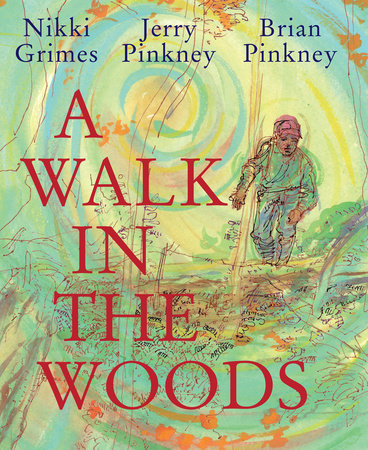
Book: A WALK IN THE WOODS

Author: Nikki Grimes

Illustrator(s): Jerry Pinkney, Brian Pinkney

Publisher, Year: Neal Porter Books, 2023

Genre: Fiction

Topics: Grief, Nature, Poetry

Blurb: “Confused and distraught after the death of his father, a boy opens an envelope he left behind and is surprised to find a map of the woods beyond their house, with one spot marked in bright red. But why? The woods had been something they shared together, why would his father want him to go alone? Slowly, his mind settles as he sets off through the spaces he once explored with his dad, passing familiar beech and black oak trees, flitting Carolina wrens, and a garter snake they named Sal. When he reaches the spot marked on the map, he finds pages upon pages of drawings of woodland creatures, made by his father when he was his age. What he sees shows him a side of his dad he never knew, and something even deeper for them to share together. His dad knew what he really needed was a walk in the woods.”

Back Matter Word Count: about 780

Back Matter Sections:

1. An Author’s Note from Nikki Grimes titled “A Note About the Journey” (about 350 words):

In her note, Nikki Grimes shares how the idea for this story was birthed in conversation and collaboration with illustrator Jerry Pinkney. Readers will understand how their friendship and desire to work together kicked off the whole project and allowed them to have such an inspiring working relationship. Grimes then explains that the book’s status was left in limbo after the death of Jerry Pinkney. Grimes describes her grief over the loss of her friend, and the feeling of uncertainty about their book being incomplete. The section has a bittersweet ending as she reveals that Jerry Pinkney finished the sketches for this book before he died, and his son, illustrator Brian Pinkney, was able to step in to complete the book.

2. An Illustrator’s Note from Brian Pinkney titled “A Walk to My Heart” (about 430 words)

Here, Brian Pinkney picks up the story of how this book came into being. He describes his participation in this project as a “mysterious and mystical” experience. We see how closely Brian and Jerry Pinkney’s story mirrors the book’s fictional story of a boy experiencing grief and connecting with his father through a shared love of nature and art. Brian Pinkney gives us a glimpse into his artistic process as he explains that the paintings used for this book were created shorty before his father died. While those pieces were not intended for this book, we learn that another family member, illustrator Charnelle Pinkney, was able to use computer rendering to seamlessly combine Jerry Pinkney’s sketches with Brian Pinkney’s watercolor.

Takeaways: In their back matter notes, Nikki Grimes and Brian Pinkney give readers insight into the process of how their book came into being, from idea to finished product. The back matter in A Walk in Woods is interesting for its window into the world of publishing, but what made it so memorable to me was reading how Grimes and Pinkney navigate a professional project combined with deeply personal loss. By sharing their stories, they help readers appreciate the work and legacy of the late Jerry Pinkney. This back matter adds extra layers of emotion to the story and encourages us to read with a new perspective. Getting to know more about the book’s creators made the story that much more poignant. Upon re-reading A Walk in the Woods, I found myself studying how Jerry Pinkney’s sketches and Brian Pinkney’s watercolors play off each other using my newfound understanding of how these two elements came together.

Tips: Consider using your back matter to give readers a glimpse into the journey you went on to create your book–but think about going deeper than craft, revising, and publishing. You can add extra layers of meaning to your book by getting personal about the ways your life story and experiences connect with the one you are telling. The truths you reveal about yourself could end up being an important legacy for you, or someone else.

Thank you for reading! Please leave a comment to add to the conversation or suggest a book for me to break down!

Don’t miss future posts! Subscribe to my blog:

New Blog Feature Coming Soon: Back Matter Break Down

I am very excited to announce that in 2024, I will be starting a new series here on my blog all about back matter in picture books! When we talk about picture books, we don’t talk about the back matter as much as we talk about storytelling and craft, but back matter can be the cherry on top of a good story if done well.

With my Back Matter Break Down series, I would love to create a place that really examines this special part of picture books. I will write posts going through the back matter of different picture books, examining what they do in relation to the main text, highlighting unique approaches, and studying what separates good back matter from spectacular back matter. We’ll get into the nitty gritty, but I also hope to do interviews with authors who can share their insights about writing back matter, and give us a behind-the-scenes look into their process of creating this aspect of their books.

Stay tuned for the first post sometime in January 2024!

P.S. If you’re an author who’d like to be interviewed about your back matter, just get in touch! I’m still figuring a lot of things out about this series, so hopefully we can work together!

And if you have any suggestions of books with back matter you want me to break down, leave a comment and let me know!

To stay updated about my posts, just enter your email address below:

World Read Aloud Day 2024: Book a Virtual Visit with A Self-Published Author or Illustrator

I’m so excited about World Read Aloud Day 2024 coming on February 7, 2024. This is a day when authors and illustrators celebrate the power of reading aloud by volunteering their time to read to children around the world via Zoom! This event was founded LitWorld and Scholastic, and I am so excited to be once again organizing the self-published authors and illustrators who are volunteering their services to read on WRAD 2024!

If you’re reading this, I hope you are interested in scheduling a visit by one of the amazing authors on my list. If you’re new to WRAD, here is what the typical visit entails, as stated by author Kate Messner:

WRAD VISITS AREN’T LONG OR FANCY PRESENTATIONS. USUALLY, THEY LAST 10-15 MINUTES AND GO SOMETHING LIKE THIS:
– 1-2 minutes: Author gives a quick introduction & talks a little about their books.
– 3-5 minutes: Author reads aloud a short picture book, or a short excerpt from a chapter book/novel
– 5-10 minutes: Author answers a few questions from students about reading/writing
– 1-2 minutes: Author book-talks a couple books they love (but didn’t write!) as recommendations for the kids

TEACHERS & LIBRARIANS, here’s how to connect with an author or illustrator to Zoom with your classroom or library on World Read Aloud Day:

  • Check out this List of Self-Published Authors & Illustrators, and visit their websites to see which ones might be a good fit for your students.
  • Contact the author directly using the email provided or clicking on the link to their website and finding the contact form. Please be sure to provide the following information in your request:
    • Your name and what grade(s) you work with
    • Your city and time zone (this is important for scheduling!)
    • Possible times to connect on February 7. Please note authors’ availability and time zones. Adjust accordingly if yours is different!
    • Your preferred platform (Zoom, Google Meet, etc.)
    • A phone number where you can be reached on that day in case of technical issues
  • Please understand that not all authors will be available at all times. It may take a few tries before you find someone whose books and schedule fit with yours! (As authors become fully booked, there info will disappear from the list, but only as fast as receive updates.)

IF YOU ARE A SELF-PUBLISHED AUTHOR OR ILLUSTRATOR WHO WOULD LIKE TO BE ADDED TO THE LIST, fill out this form to sign up: SIGN UP: World Read Aloud Day 2/7/24

VOLUNTEERS, once your schedule is full, please send an email & I’ll remove your name from the list as soon as possible.

My list is only for self-published folks, but the amazing author Kate Messner has a list of traditionally published authors volunteers. To check out that list, visit Kate’s website! (Also, shout-out to Kate Messner for all of her hard work and for keeping me in the loop with WRAD stuff — she’s the best!)

Have fun, everyone!

World Read Aloud Day 2024 – call for self-published volunteers

It’s that time of year again! We are getting ready for World Read Aloud Day which will be held on February 7, 2024. For those unfamiliar, World Read Aloud Day was founded by an organization called LitWorld to “celebrate the power of reading aloud to create community and amplify new stories, and to advocate for literacy as a foundational human right.”

One of the big/amazing/fun things that happens on WRAD each year is that authors and illustrators volunteer to do free virtual visits with children around the world. The amazing Kate Messner is organizing traditionally published authors & illustrators who would like to participate…

And, once again, I am organizing the self-published /non-traditionally published volunteers!

IF YOU ARE A SELF-PUBLISHED AUTHOR or ILLUSTRATOR, I hope you will sign up to participate in WRAD 2024! Last year was so fun, and many of our participants said they were able to connect with kids and reach new readers by having their name on the list.

WRAD virtual visits are not elaborate or time-consuming to plan. Your presentation should last 10-15 and should go something like this:

1-2 minutes: Author gives a quick introduction & talks a little about their books.
3-5 minutes: Author reads aloud a short picture book, or a short excerpt from a chapter book/novel
5-10 minutes: Author answers a few questions from students about reading/writing
1-2 minutes: Author book-talks a couple books they love (but didn’t write!) as recommendations

I hope you will join us! If you’re a self-published author or illustrator who would like to offer free virtual visits for World Read Aloud Day (February 7, 2024) please click this link and fill out the form:

WRAD 2024 – Call for Self-Published Volunteers

Photo by Yan Krukau on Pexels.com

And, if you are a traditionally published author or illustrator who would like to sign up, visit Kate Messner’s website!

TEACHERS & LIBRARIANS: In a few weeks, the list of volunteers will be made public for you to see who is available to join your group. Check back soon!

For more info, visit the WRAD website: https://www.litworld.org/learn-more-about-wrad

#50PreciousWords 2023 Contest

It’s that time of year! The annual #50PreciousWords Contest is going on now. It’s an annual contest hosted by author Vivian Kirkfield to write a children’s book in just 50 words. You can read all the entries here: https://viviankirkfield.com/2023/03/03/official-50preciouswords-2023-international-writing-contest-is-open/

I submitted last year, but this year I wasn’t going to enter. I felt too busy and I’m trying to conserve energy for my high priority projects. At the moment I am trying to finish the final edits on ICE CREAM EVERYWHERE, get EL VECINDARIO DE AJ finalized for the printer, and complete some edits and research on another project that I have some editor interest in. So I figured I’d let this year’s 50 Precious Words contest go by.

But then I started seeing the entries being posted on Twitter, and it got my brain spinning. I decided to look at some of my old story ideas that I hadn’t used yet to see if there was anything that I could tell in just 50 words. I had a few options, but one just jumped out at me and started writing itself in my brain. Sometimes it just works that way.

So here it is, my entry for the 50 Precious Words Contest for 2023. I hope you enjoy it!

The Bucket Brigade

Unseen in the dark—a spark. Then flames.

“FIRE!”

We run to the well. Neighbors join Father, Mother and me.

It’s up to us: the bucket brigade.

“Make a chain! Pass the water!”

Bucket after bucket douses the blaze.  

Embers die with the sunrise.

We’re exhausted and sore. But victorious.

World Read Aloud Day 2023: Zoom with a Self-Published Author or Illustrator!

World Read Aloud Day 2023 is just around the corner! This year’s annual celebration will be on February 1 and is brought to us by LitWorld and Scholastic. On World Read Aloud Day, authors and illustrators celebrate the power of reading aloud by volunteering their time to read to children around the world via Zoom!

I learned about World Read Aloud Day from author Kate Messner who is coordinating author and illustrator volunteers who are traditionally published. To check out that list, visit Kate’s website! (Also, shout-out to Kate Messner because she already figured out this whole process & I’m 100% copying her–THANK YOU, KATE! )

Here’s Kate’s description of what a WRAD visit looks like:

WRAD VISITS AREN’T LONG OR FANCY PRESENTATIONS. USUALLY, THEY LAST 10-15 MINUTES AND GO SOMETHING LIKE THIS:
– 1-2 minutes: Author gives a quick introduction & talks a little about their books.
– 3-5 minutes: Author reads aloud a short picture book, or a short excerpt from a chapter book/novel
– 5-10 minutes: Author answers a few questions from students about reading/writing
– 1-2 minutes: Author book-talks a couple books they love (but didn’t write!) as recommendations for the kids

I’m so happy to be coordinating the self-published authors and illustrators who are volunteering their services to read on WRAD 2023! I know there are some amazing authors and stories on this list, and I hope they all get a chance participate in WRAD this year!

TEACHERS & LIBRARIANS, here’s how to connect with an author or illustrator to Zoom with your classroom or library on World Read Aloud Day:

  • Check out this List of Self-Published Authors & Illustrators, and visit their websites to see which ones might be a good fit for your students.
  • Contact the author directly by using the email provided or clicking on the link to their website and finding the contact form. Please be sure to provide the following information in your request:
    • Your name and what grade(s) you work with
    • Your city and time zone (this is important for scheduling!)
    • Possible times to connect on February 1st. Please note authors’ availability and time zones. Adjust accordingly if yours is different!
    • Your preferred platform (Zoom, Google Meet, etc.)
    • A phone number where you can be reached on that day in case of technical issues
  • Please understand that not all authors will be available at all times. It may take a few tries before you find someone whose books and schedule fit with yours!

IF YOU ARE A SELF-PUBLISHED AUTHOR OR ILLUSTRATOR WHO WOULD LIKE TO BE ADDED TO THE LIST, fill out this form to sign up: SIGN UP: World Read Aloud Day 2/1/23 – Call for Self-Published Author Volunteers

VOLUNTEERS, once your schedule is full, please send an email & I’ll remove your name from the list as soon as possible.

Have fun, everyone!